





Music Career Finder

Start Here:

1. 1. Are you a Musician/Performer or are you just looking for a career in the Music Business? *This question is required.
2. 2. What are you most interested in? Select as many as you like. *This question is required.
Female DJ using mixer during live DJ set

DJ

Asian female singer in studio with mic

Singer

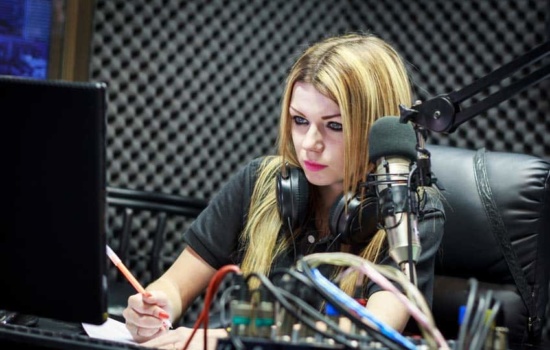
Music Director with headphones around her neck in the on-air studio at the radio station

Music Director

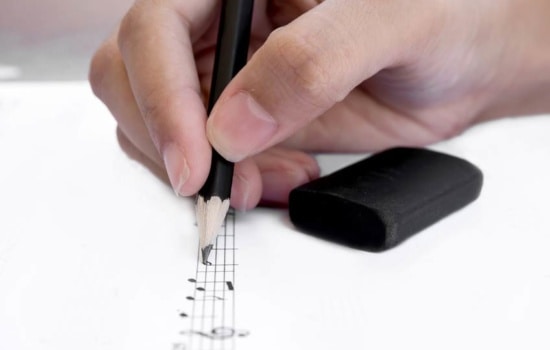
Closeup on an Orchestrator's hand writing notes on sheet music

Orchestrator

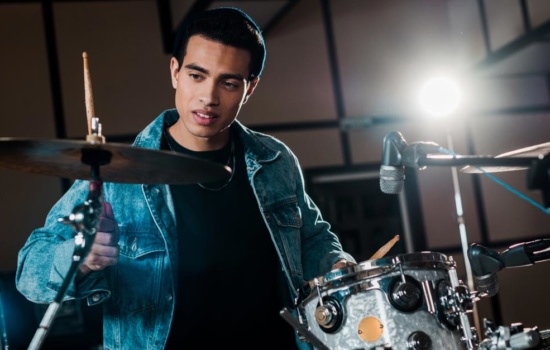
Young Black male Drummer playing the drums

Drummer

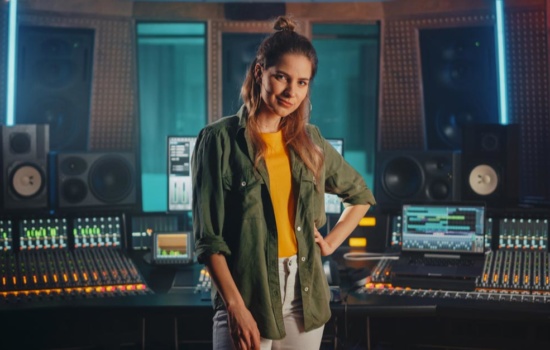
Young female Audio Engineer with soundboard in recording studio

Audio Engineer

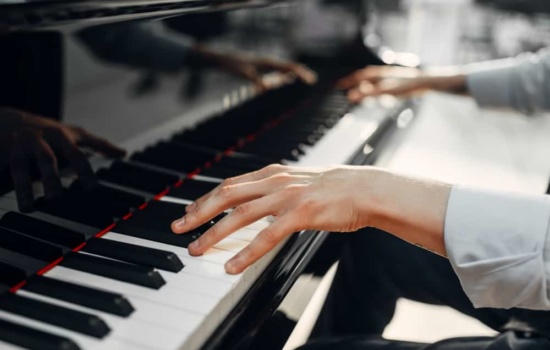
Young female Pianist at piano

Pianist

Young black male Music Producer in recording studio

Music Producer

Mastering engineer using mixing console in recording studio

Mastering Engineer

Record Producers working in a music studio

Record Producer

Female Guitarist in recording studio

Guitarist

Songwriter with acoustic guitar writing lyrics in notebook

Songwriter

Lyricist listening to music and writing ideas in her notebook

Lyricist

Ceiling of opera theatre with crowd taking their seats

Opera Singer

Personal Manager in the recording studio with the band he manages

Personal Manager

Young female Bassist with her band

Bassist

Music Teacher showing bass to young male music student

Music Teacher

Concertmaster playing his violin

Concertmaster

Close up on a Composer's hands playing the piano

Composer

Director of A&R wearing headphones

Director of A&R

With almost anything creative — be it acting, sports, dancing, or playing an instrument — practice might not make “perfect,” per se, but it certainly makes somebody better at what they love.

This way of thinking is easy to repeat in your mind and say aloud but it can actually be difficult to implement in your life. It’s not just about doing something many times, it’s about doing it well, with other people, and learning every time you do whatever your chosen activity may be. If you simply repeat the same action over and over you might be doing it wrong and in the end, you’d have just wasted a lot of time.

Singing is lumped in with everything stated above and while the more you can practice, the better, there is so much more that needs to be done in order to become a truly great vocalist — at least one with a chance of becoming a working Singer — and you’re going to need to seek out opportunities to hone your craft and make your talent stand out from the crowd.

The task might seem daunting but there are actually many different times and ways you can better yourself as a singer via practice and most of them only require your time and commitment.

Common Questions About Learning How to Sing

What is the best way to learn singing?

Alison Stolpa (Careers in Music Staff)

The best way to learn singing depends on the resources available to you and what gets you excited. You’ll learn quite a bit simply from joining a school or community chorus or a church choir. You can also watch tutorials online to learn basic technique and vocal exercises. By far the best way to learn singing, however, is through voice lessons.

Your Teacher will help you learn proper vocal health and technique so you can sing to the best of your abilities throughout your life. If you just learn through online videos or through your own improvised methods, you might find yourself straining your voice and learning practices that could be detrimental to that most important instrument, your voice.


Can you teach yourself to sing?

Alison Stolpa (Careers in Music Staff)

You can definitely teach yourself to sing…up to a certain level. Start by learning the songs you love, listening to great performances and how those Singers handle the lyrics and melody, and imitating them. Don’t worry–your own style will work its way out. You can also learn a lot about how to sing by watching YouTube tutorials.

However, if you want to become a professional American Idol-winning, chart-topping, stadium-touring Singer, you’ve got to work with a qualified Voice Teacher. Voice Teachers understand and can teach vocal technique, health, timbre, tone, and breathing in a way that’s tailored to your unique abilities and goals. Teaching is not one size fits all and these experts will know how to challenge you in ways that will help you improve far beyond what you could teach yourself.


How do I start learning to sing?

Alison Stolpa (Careers in Music Staff)

If you’re a beginner who wants to start learning how to sing, here’s what you should do:

  • Listen to and imitate the greats
  • Take lessons with a qualified Voice Teacher
  • Practice vocal warmups and exercises
  • Join a chorus in your community or at your school
  • Practice singing on your own
  • Record yourself and make note of what you’re doing right and what can improve
  • Understand your vocal range and work on pitch
  • Follow your Teacher’s suggestions on vocal health
  • Record your own music and ask for feedback from trusted sources
  • Keep learning!

1. Start Singing!

Maybe it’s incredibly obvious but sometimes the best way to become a famous singer is to simply begin singing. So many people who went on to become great artists started by singing along to the songs they love the most and they did so everywhere. In the car, at a party with friends, at karaoke, or even if they’re by themselves, people like this sing all the time, which helps them become more familiar with their vocal chords, what they like to sing, what resonates with them, and what works for them.

If you think vocal performance is something you’d like to pursue in any way, start finding time to sing almost every day…if you’re not doing that already. You might be belting along to hit singles when they play on the radio but you can, and should, do more.

Hey, what do you think about trying our new Music Career HelperMusic Career Helper really quick? It’s totally free and could help get your career moving fast! Give it a try. It’s totally free and you have nothing to lose.

2. Listen Critically

If you already have the goal of being a singer, it’s surely because you have a deep love of music. That’s great, as it means you might already be someone who has favorite songs, artists, and albums, and there’s a good chance you already spend time seeking out new music and talent.

While you probably already spend time listening to big hits from your top-tier artists, if you want to advance beyond being an amateur singer (or perhaps only a listener), you should expand your library. Try new styles of music. Look for artists you’ve never heard of. Read up on the best vocalists ever, and then dive into their discographies.

As you listen, think about why what these men and women have done is so impressive. Since you’re already somewhat familiar with singing, try and imagine what it’s like to make the sounds they make, to feel what it’s like to do what they do. Don’t just listen, analyze.

3. Imitating the Best

Once you’re listening to your favorites and the best of the best, try and imitate them. Sing their songs, repeating yourself over and over until you feel comfortable doing so. You won’t sound exactly like them, of course, but can you find a way to deliver the same type of performance, but in your own fashion?

For example, if Adele was to cover Celine Dion’s “My Heart Will Go On,” she would attempt to honor the fantastic original, while still making it hers. Adele’s take would sound like Adele, but she would surely try and match the high notes, emotion, and style of the one made famous. All great talents learn from others by singing what those before them sang, but they do so in ways only they can manage. You should be doing the same, as it will both help you learn and discover your own voice.

4. Warming Up

Most people who sing in the car or in the shower don’t warm up, and it’s not a big deal. If you’re looking to actually learn how to sing and eventually become very talented at this arform, you’ll need to educate yourself on warming up.

Singing without warming up is like running a 5K without stretching–it’s possible to do, but the best of the best would never consider such a thing, and you can seriously hurt yourself by avoiding this early step.

There are tons of websites, apps, social accounts, and YouTube channels focused on helping you learn warm-up techniques, complete with demonstrations and explanations of each one and why they’re so vital. Don’t skip warming up!

5. Recording Yourself

Whether you want to become a major producer/singer-songwriter or you just enjoy the art of singing, you’ll want to record yourself when you feel ready. These tapes don’t need to be for anyone but you, so don’t be shy! Use whatever you have–your phone will do just fine–and record yourself singing a hit single by someone else. Then, give it a listen. How does it sound? Make sure you’re honest with yourself, because lying won’t get you anywhere.

I’d suggest saving your recordings somewhere so you can return to them later on and hear your progress, comparing the oldest attempts to the newest. If you’re feeling particularly brave, share them with family or friends (after a number of renditions) and listen to what they think.

6. Singing In Front Of Others

Sometimes one of the most difficult steps to becoming a singer is being able to sing in front of others. Anyone can sing to themselves, no matter how good or bad they may be, but performing for a crowd, even if it’s just one, can be a game-changer.

Singing in front of other people is difficult, as everyone has the same worries–forgetting the words, missing a note, simply sounding…well, not great. There are a lot of fears behind singing in public, but they must be overcome if you want to be a vocalist in any real sense of the word. Go to an open mic, sing with your friends or family, or join a group that’s focused on this one activity (more on that in a minute).

To get over the terror of singing in public, read up on how others moved on and learned to own the stage. Many famous musicians had the same fears you do, but they didn’t let it stop them. In fact, some still do, and quite a few have been open about their stage fright and what it takes to overcome those difficult feelings.

Rihanna says she drinks a bit of alcohol before going on stage. Lorde once admitted that “[I] just try and tell myself that ‘You’ll be in your zone. The lights will be on and… people will be cheering and, you know, it’ll be okay.” Even Barbra Streisand–who after forgetting the lyrics to one of her songs in concert in the ‘60s didn’t perform again on stage for decades–says she has to tell herself, “Let go, let God.”

7. Joining a Chorus

Perhaps the best (and the most easily accessible) option available to most young people is the chorus at their school. Many high schools and colleges offer a chorus program of some kind and though what that looks like differs from location to location, the idea is usually the same and there are plenty of benefits, no matter what shape the program takes.

When I was in high school, Chorus was offered as an actual class which gave students an opportunity to express themselves creatively in the middle of a day usually filled with much drearier courses like math and science. I knew many people who selected Chorus as a field of study and they benefited immensely as it didn’t require them to give up any more of their time than they normally would have during the day and they got to practice singing often.

Sometimes Chorus is only offered as an after-school extracurricular, although this doesn’t typically diminish what it can do for those just getting started as vocalists. The fact it only takes place after the final bell has rung does mean some students can’t participate since everyone has a different schedule and between homework, familial obligations, part-time jobs, and a normal, healthy social life, not everybody who wants to can sign up for an extra hour or two after the school day has wrapped.

Now, while Chorus is a great introduction to singing for many young people, it’s usually just the first step in studying vocal performance. Many Chorus Teachers have obviously been involved in music for a long time and they have learned how best to instruct students in the art of singing.

However, if you decide you want to pursue singing after high school (or even during), you will need to work with others to further sharpen your talents and take your skills to the next level, such as College Professors, or perhaps even private vocal lessons.

So many people who went on to become great artists started by singing along to the songs they love the most and they did so everywhere. In the car, at a party with friends, at karaoke, or even if they’re by themselves, people like this sing all the time, which helps them become more familiar with their vocal chords, what they like to sing, what resonates with them, and what works for them.

8. Taking Vocal Lessons

Speaking of private vocal lessons, they’re the next item on this list! (Although some would rank private lessons even higher than I have.) The best way to learn how to sing is from a professional as they will be able to show you techniques you likely wouldn’t be able to pick up on your own or with someone who isn’t a highly-trained educator.

Practicing on your own (which appears later on this list) is wonderful and I highly suggest it but a Vocal Coach or Teacher can be very beneficial, as he or she will help choose the perfect songs, the best exercises, and they will even be able to explain why certain ways of singing will hurt you in the long run. If they’ve been doing their job a long time, they might even have an “in” when it comes to other educational programs, gigs, or full-time jobs.

The toughest part of working with a Vocal Coach is the cost. Many people who know how to teach vocal performance have years of experience and they truly know what they are doing (at least they’re supposed to). Paying them by the hour or half-hour, which is standard practice, can quickly become extremely expensive. Thus, private lessons are simply not an option for many people who want to pursue singing.

Sadly, it’s something which would help many students decide whether or not they really want to invest the time and money in this profession…but by the time most wannabe artists are in a place where they can afford to bring on a coach, they are too old to commit to the practice.

9. Learning From Other Sources

As is mentioned above, sometimes vocal lessons or a private teacher simply aren’t available options. If that’s the case–and it is for many–that doesn’t mean you can’t learn to sing! Get creative and look for other avenues to learn.

You can try YouTube tutorials, of which there are thousands. Sometimes these are recorded and uploaded by professionals, while in other instances, they’re done by people who simply like to sing and want to help others become better at their craft. Do some research to see if there are channels or videos that those who know what they’re doing believe to be the best.

In addition to taking to the internet to learn to sing, you can also seek out free or cheaper lessons. Sometimes schools or community organizations offer low-cost or no-cost classes. Perhaps you know someone who is a great singer who will spend some time helping you along on your journey. You never know what’s out there until you look and ask!

10. Starting With Covers

There is now an entire culture of up-and-coming musicians making something of a name for themselves just by covering already well-known tracks. It all started with YouTube, where future stars like Justin Bieber first gained attention by posting videos covering some of their favorite tunes. Were they perfect? No. Did they sound exactly like the famous renditions? Usually not, but they reached enough people to help them get to the next level.

Posting videos on YouTube is still a great first step but at this point, the scene is a little oversaturated. It seems like everyone with a fair voice has a channel. Nowadays there might be thousands of covers of hit songs online and it has become incredibly difficult (though not impossible) to stand out. Go this route but also look for other avenues to post covers and clips of you singing tunes, even if you mix in some original cuts.

Other social platforms like Instagram could serve you well. Will you become a famous musician after signing up for these platforms? Probably not, but the attention won’t hurt and it will give you a structured excuse to sing more and start thinking about what will get your voice heard over the millions of others attempting the same task.

If your goal isn’t to land a smash hit but rather to practice and learn, you don’t need to spend a lot of money creating songs, because for a while, they may only reach a small audience, which might sometimes just be you. That’s a fine place to start.

11. Making Your Own Music

If you want to become a great musician, whether with a guitar, a software program that creates electronic beats, or with your own voice, the best advice I can give you is to seek out an education.

As we’ve discussed both above and in many other articles on this website, you can practice and learn how to be a better artist in a million different places and in as many different ways but sometimes you just need to go out and start creating on your own.

Many a great artist has gotten their start simply by going for it and committing to their craft. It’s daunting and exhausting but there is no better way to figure out who you are as an artist than by just trying it out! Write a song, look for beats online, record yourself singing a brand new piece of music you’ve composed, and at first, don’t worry about if it’s terrible or not because chances are, it won’t be great.

That’s okay! Very few people are fantastic on their first (or second, or third, or…) attempt, and even some of the biggest and most successful musicians of all time cringe when they hear their early recordings. These days, there are countless tools readily available to help you do everything you need to launch your music career, including buying beats, making your own instrumental tracks, recording, mixing, engineering, and so on.

Bonus Tips For Learning How to Sing

As you continue down the pathway to becoming a world-famous singer (or at least someone who is great at what they do), there is even more you should practice, study, read up on, and consider–in addition to everything spelled out above. Here are some bonus tips that should help you become an even better singer.

1. Perfecting Posture

Many newcomers to the art of singing might not realize it, but posture is incredibly important when it comes to vocalizing. It’s vital that you stand up straight, which helps your vocal cords produce the best sound possible. According to WikiHow, it’s best if you, “imagine that a string is pulling you up from the top of your head,” which should help you become as tall as possible. Try to release tension from your body. Keep your head straight, or at least level. Don’t worry if this all feels weird at first, as it will soon become like second nature.

2. Finding Your Range (And Extending It)

When you first begin singing, you’ll just be having some fun with tunes you love. Once you reach the stage when you desire to advance beyond that stage, you will need to become more strategic regarding which cuts you select to rehearse, and that involves learning what your range is. Every singer has a range of notes they can reach comfortably, and you’ll need to uncover what yours is (which you can do following these steps). Once you know where you land, you’ll also want to find ways to expand your range, which takes time and a lot of practice. This is a step you may want to work with professionals in order to accomplish, so as not to damage your instrument.

3. Breathing

Just as you’ll want to master vocal warm-ups, you will also need to learn how to breathe correctly. Great vocal performances are one part talent, one part practice, and one part breathing. Even the best singers in the world need to focus on each breath they take, as not having enough air in your lungs to hit a certain note can ruin the entire showing. A big piece of rehearsing a song is learning when to take breaths, as well as how large of ones are needed at what points in the song. There are a lot of places to study breathing techniques and exercises – here’s one you can begin with.

4. Staying Hydrated

This is not spoken about much when it comes to the art of singing, but water is hugely important! Some vocalists drink tea, and that’s fine for some occasions, but water is the best option, as it lubricates the vocal cords and helps the body stay hydrated–something you should always aim for. Don’t just chug some water before you head out on stage or into the recording studio, either. Sip water throughout the day, so when it comes time to perform, you’re ready.

Site Search
We use cookies to understand how you use our site and to improve your experience. This includes personalizing content and advertising. By continuing to use our site, you accept our use of cookies, revised Privacy Policy and Terms of Use.