

















Like some of you, I was perplexed the first time I heard all these terms. The meaning of the word backline in the concert industry is actually quite simple: it’s everything you need in the way of gear to put on a show, except for the P.A. system and monitors. This includes amplifiers, keyboards, drums, stands, outboard rack gear, and sometimes even the stage risers.
What you actually need is dependent on the kind of group you have, the instrumentation, musical style(s) you play, and the demands of the particular gig or concert, such as the size of the stage and hall. It might also depend on the budget of the Promoter, or availability of certain equipment at a location.
In the most general terms, when describing the backline you should create a list, to include the following:
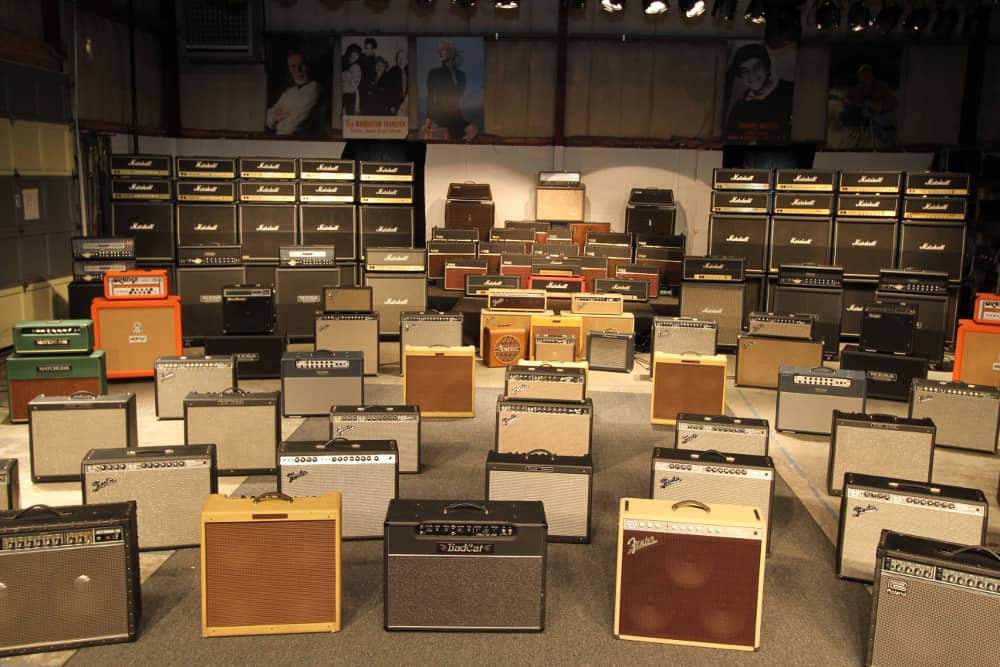
- Guitar amplifier(s)
- Bass amplifier
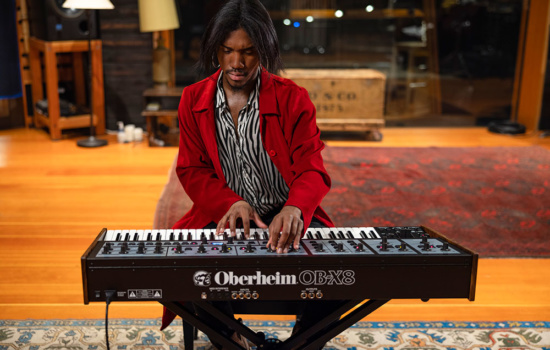
- Keyboards
- Keyboard amplifiers and/or sound mixer
- Drumset
- Miscellaneous, such as amp stands, risers, guitar stands, etc.
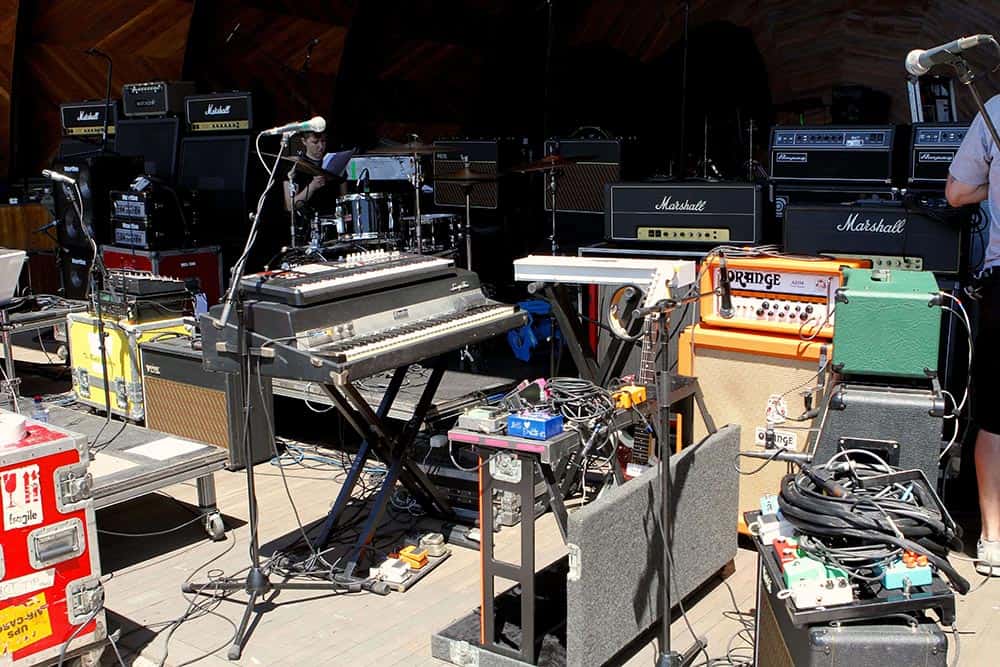
Image courtesy of Andy Bergsten.
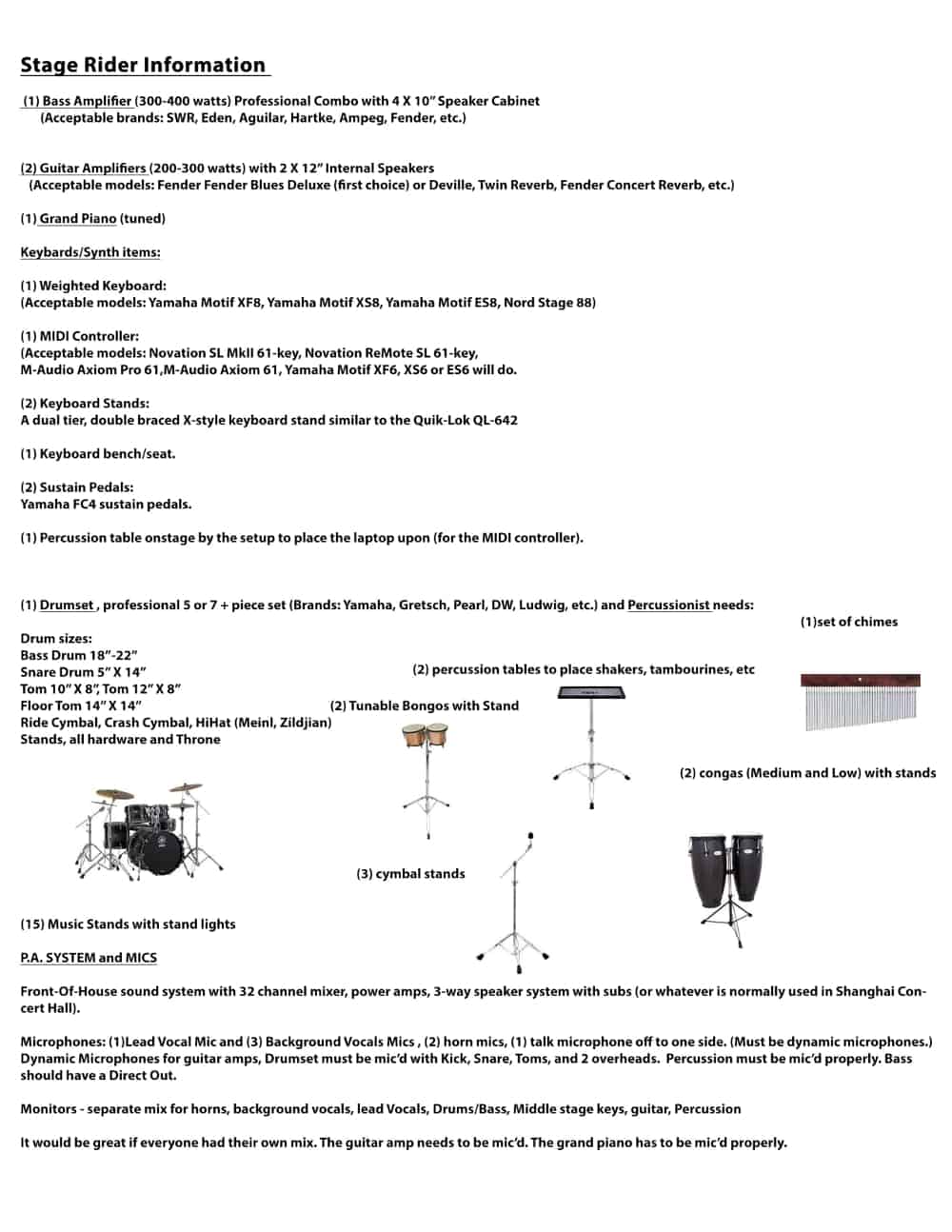
In addition to the general description of gear needed, the backline list should include specifications (i.e. specs) for all pieces of equipment, such as make and model, speaker size and power handling capacity, drum sizes, plus any other details specific to each piece of equipment. All of your backline specs will ultimately go into the contract rider, which I’ll explain below.
You need this complete list to communicate to Promoters and Stage Crews all equipment for the stage your group will need in order to put on a performance.
There are times where you might bring all your own gear, such as to a local small gig. But for the bigger shows, and especially when you must travel to perform at some far-off destination, you will likely not be carrying all your gear with you.
In this case, it’s crucial that you communicate all your equipment needs in advance to the venue or sponsoring organization. This way they can have everything you need ready so that you can just walk out on stage and play (usually after a brief soundcheck conducted earlier).
What does Backline mean?
In popular music, professional audio and sound reinforcement, the term Backline refers to amplifiers, speakers, and all other instruments and equipment that are positioned behind the band or the rhythm section on stage during a concert. Besides amps and speakers for guitars, bass, and keyboards, Backline includes instruments including drums and percussion. The term Backline is typically used to refer to all equipment used on stage during a performance, except the P.A. speakers (called “Mains” or “Front-Of-House speakers) and stage monitors (sometimes called “Foldback”) for the musicians to hear themselves.
Since bands don’t always travel with their gear, Backline equipment is often rented at the concert location, and operated and maintained by special Backline Technicians, such as a Guitar or Drum Tech. Some venues have their own Backline gear in place for musicians to use. To perform optimally, Backline gear needs regular maintenance.
Why is it called a Backline?
Historically, when P.A. systems weren’t very powerful back in the 1950s and 1960’s, instrumentalists needed giant stacks of speakers and amps to make their instrument heard in the audience, while the P.A. was used just for vocals. As sound systems improved, they could amplify all instruments. The P.A. speakers were moved to the front of the stage and the amps and instruments stayed in the back. Hence, the word “Backline.”
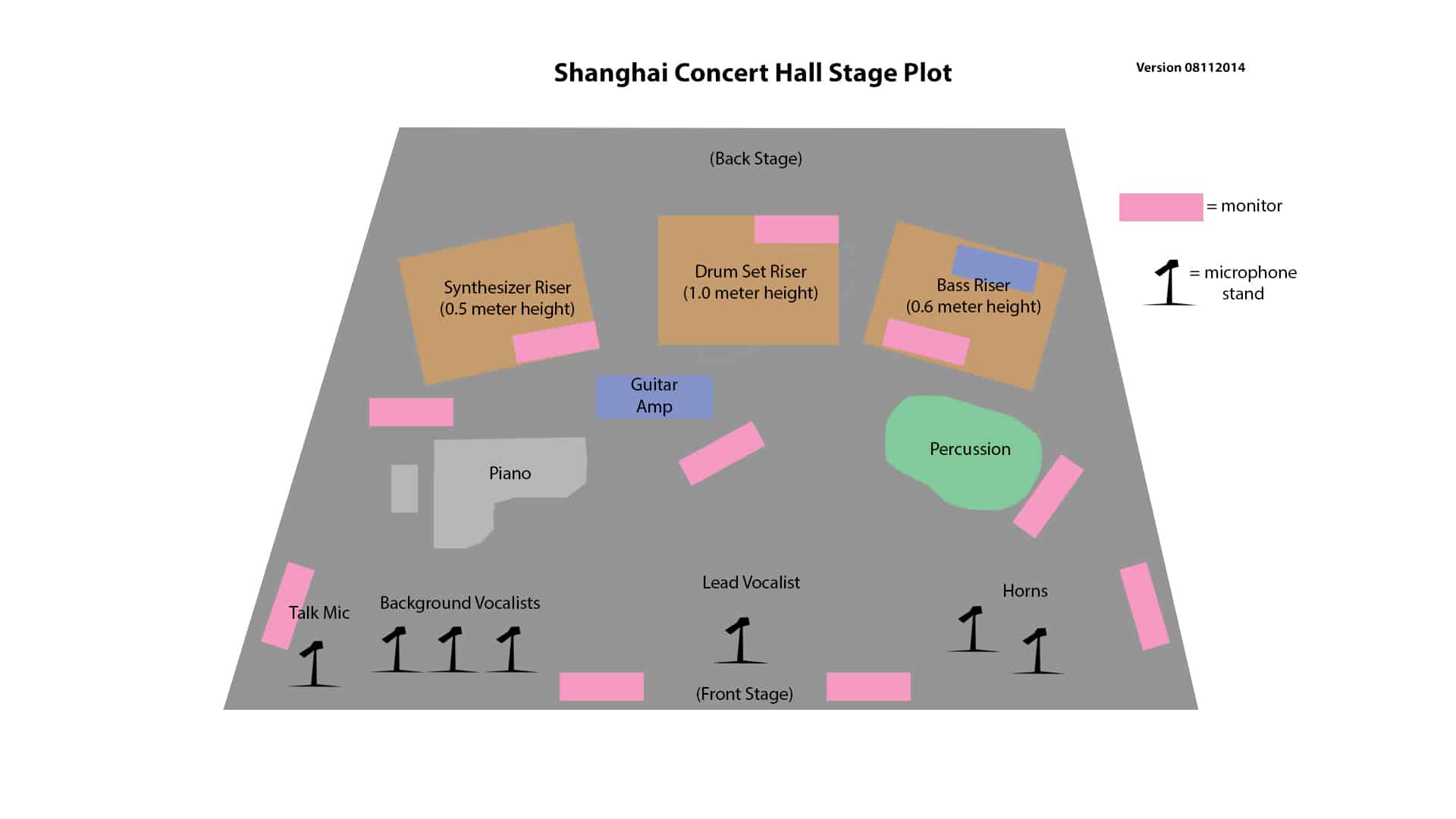 This example is very basic but functional. You might choose to include more labels or indicate different monitor mixes for each individual. The instructions for monitors could also be included in the contract rider.