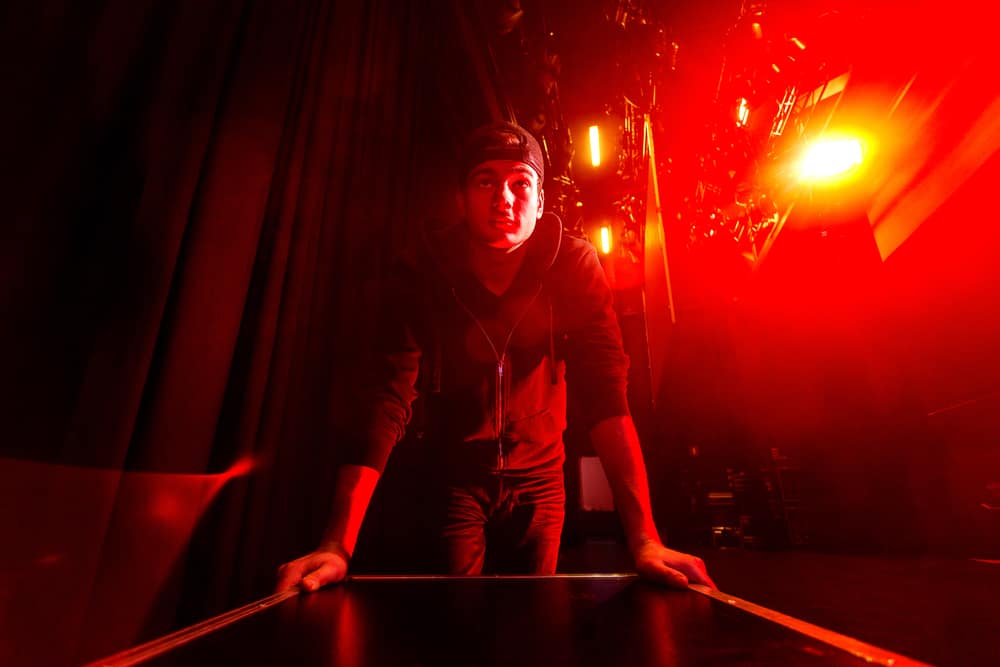
Probably the first requirements for being a Stagehand is physical fitness and stamina. Standing up without sitting for long periods, lifting heavy objects, pushing large road cases, pulling on curtain ropes, climbing into rigging, unrolling, rolling, and gaffing cables, and moving quickly in tight spaces requires physical strength and endurance.
Mental focus and attention are also needed, as it’s important to follow instructions carefully while maintaining safety in a potentially dangerous environment. Stagehands must maintain a sharp focus on safety to minimize the danger and avoid hazardous situations for everyone.
Since technology is always changing, stagehands must also be able to learn new techniques and assimilate new information quickly, and they must be able to carefully follow directions from supervisors.
A Stagehand must have solid people skills and be able to deal with different personalities and egos. They should be enthusiastic about live performance and be able to work well in a team under pressure. They should be able to follow instructions meticulously and think on their feet. A Stagehand should be a good problem solver, good with their hands, and be able to quickly offer creative solutions to unexpected problems.
Additional potentially useful skills include knowledge of sound reinforcement, lighting, and other technical staging systems currently in use, light carpentry or painting skills, knowledge of art, plus an awareness of crowd control and basic psychology and communications. Tact and diplomacy in communicating with others is sometimes important, as is managing emotions.
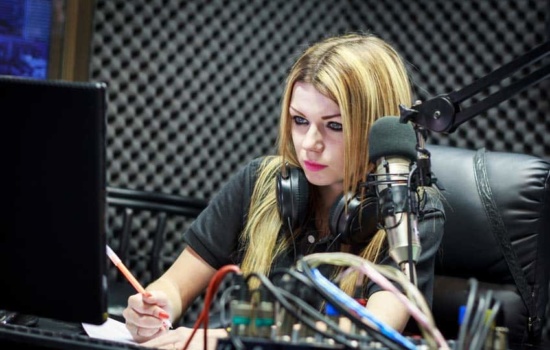
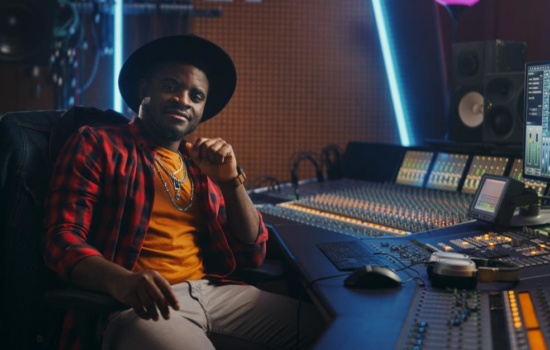
Other handy specialized types of stagehand skills and knowledge might include the proper placement of microphones, setting up an audio mixing board and amplifiers (or drums, keyboards, cameras, etc.), sound checking, coiling and uncoiling cables (there is a special technique for this), and using gaffer tape (a black, wide, cloth-like sticky tape) to secure cables and hide unsightly parts of the equipment.
Stagehands play an important role in making the show succeed, so they need a variety of skills useful in any show environment. They may need to operate equipment, such as a forklift or a winch, use different types of fasteners, open and close curtains, monitor or operate machinery, or use a hydraulic lift to raise and lower an orchestra pit.
With major concert acts, gigantic stages are moved in and out of arenas, sometimes in hours, and moving, setting up, and tearing down, packing, and loading requires well-trained crews familiar with both the hall requirements and the stage equipment itself. There are cranes, slings, booms, and other machines and systems designed to move everything into place.
Besides complex lighting systems, stage risers, overhead rigging, and speakers, there may be giant video screens and cameras to be positioned properly. All this happens on a very tight schedule.
One of the best-known companies that designs and produces giant stages around the world is Tait Towers. Their portfolio gives an idea of the scale of such major stage productions.
Since every hall and every stage will be designed differently, the Stagehand must learn to quickly size up each task. While they may not always be the ones operating the equipment, they are indispensable to those who do so.
Stagehands typically start work in the early morning hours. When asked about what it takes to be a Stagehand, they will often mention how important it is to show up early to a job. Of all the skills and characteristics required of a good Stagehand, perhaps arriving early is one of the most important.