









Music Career Finder

Start Here:

1. 1. Are you a Musician/Performer or are you just looking for a career in the Music Business? *This question is required.
2. 2. What are you most interested in? Select as many as you like. *This question is required.
Female DJ using mixer during live DJ set

DJ

Asian female singer in studio with mic

Singer

Music Director with headphones around her neck in the on-air studio at the radio station

Music Director

Closeup on an Orchestrator's hand writing notes on sheet music

Orchestrator

Young Black male Drummer playing the drums

Drummer

Young female Audio Engineer with soundboard in recording studio

Audio Engineer

Young female Pianist at piano

Pianist

Young black male Music Producer in recording studio

Music Producer

Mastering engineer using mixing console in recording studio

Mastering Engineer

Record Producers working in a music studio

Record Producer

Female Guitarist in recording studio

Guitarist

Songwriter with acoustic guitar writing lyrics in notebook

Songwriter

Lyricist listening to music and writing ideas in her notebook

Lyricist

Ceiling of opera theatre with crowd taking their seats

Opera Singer

Personal Manager in the recording studio with the band he manages

Personal Manager

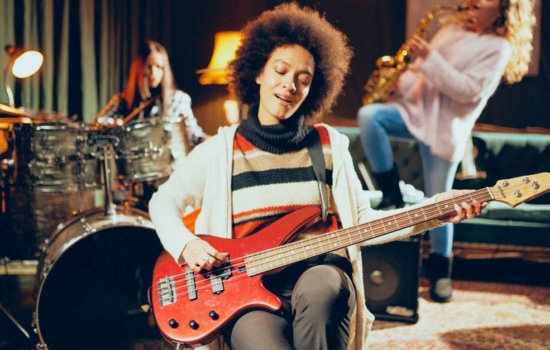
Young female Bassist with her band

Bassist

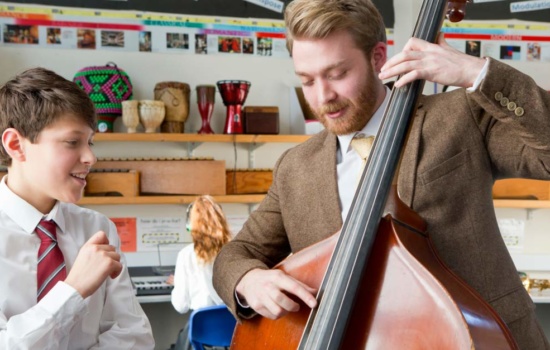
Music Teacher showing bass to young male music student

Music Teacher

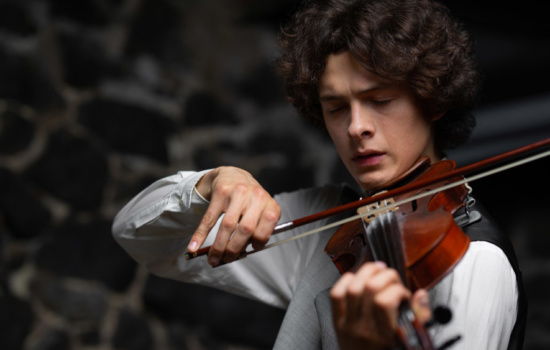
Concertmaster playing his violin

Concertmaster

Close up on a Composer's hands playing the piano

Composer

Director of A&R wearing headphones

Director of A&R

If you are even remotely considering college for vocal performance (or anything that involves voice work, to be frank) or trying to build a career as a professional Singer, you should start thinking about hiring a Vocal Coach immediately.

It is only in your favor to begin learning at a very young age, and with every year you don’t have someone instructing you on how to best harness and hone your talents, the more difficult it may be to end up in the school you really want to attend when the time comes. Sure, there are those who can get in based solely on an incredible gift, but it’s always better to be prepared and to put in the work.

Don’t waste any time in starting the hunt for the perfect man or woman who will help you learn everything there is to know about singing, resting, warming up, and perhaps even the industry you’ve decided you may want to venture into. There is a lot riding on your education and a Vocal Coach is likely the first step in a long process. Therefore it’s understandable if you feel daunted by the prospect of starting your search for a coach but waiting doesn’t help anybody — especially you!

How does one know what to look for in a Vocal Coach? What separates someone who knows what they are doing and is a perfect fit for you from someone who is a total fraud? It’s tough to choose and there’s a lot that will go into your final decision (and it’s a decision you’ll likely need to make a few times as you advance in your talents, move to go to college or find work in another city), but here are four things you should absolutely look for in a Vocal Coach, especially in the beginning.

1. Knowledge

It’s fairly easy to weed out those who really have no idea what they are talking about, but there are some people who can fake sounding smart pretty convincingly. It’s not the obviously unqualified instructors one needs to worry about but rather those who are intelligent enough to pass for knowledgeable.

After it’s too late, you’ll find out you’ve made a mistake and by then, you’ve likely already wasted your time and money on the wrong candidate and learned some tactics and techniques that may actually be harmful to your vocal chords. You need to be careful about who you choose in the end, especially if you are just learning how to use and develop your gift.

There is no way you can know as much as the man or woman who will be your Teacher, but you should educate yourself enough to be able to tell who might actually be well-versed on the subject of singing.

You want someone who understands all things music, as well as how the human body works. Knowing even the bare minimum can be helpful when selecting the instructor who will prep you for auditions and school admissions events, which can be some of the most nerve-wracking and demanding processes for young talents.

Of course, depending on where you live and other restraints, you may have a limited number of options, and it’s entirely possible the above paragraphs don’t really apply to you. If that’s the case, do the best with whatever you can, but keep in mind if you really want to take your future career to the next level, you’ll need to find better Teachers, which is why many people travel for school. Your first Vocal Coach won’t necessarily make or break your future prospects, but you can still be picky.

How do you train your voice?

Hugh McIntyre

There are a number of ways to answer this question, as some people could be looking for specific day-to-day exercises, while others may be wondering how to become better singers over the course of a lifetime.

The simplest answer is to practice. Just like learning an instrument, a language, a skill, or anything else in life, the best way to become better is to continue training. Study vocal exercises, work with a teacher, sing on your own or for others…all of it helps, as long as you’re doing things correctly. This is where listening to advice from those who know what they’re talking about can come in handy. If you’re singing incorrectly, you could be hurting your vocal chords. Or, there’s a chance you just don’t sound right, and only an audience (or perhaps a recording) can help you understand that.

Take feedback, try new things, seek out help, and never stop working on your craft.
When selecting the person who will help you achieve greatness and eventually get into a program or school of your dreams, look for someone who has managed to work as a Singer or Vocalist of some kind before.

2. Experience

A quick look at local colleges versus Ivy League institutions will show you there can sometimes be a huge gap between those Teachers and Professors who have studied a certain field and those who have actually lived it.

It’s wonderful to have a degree that makes one more educated about a specific subject, but it’s those who have actually succeeded in the business as Background Singers, Session Singers, Opera Singers, and so on who often make the best Teachers. They know what is going on in the real world and not just in a book or a classroom.

This is as true when it comes to business or writing or almost any other field as it is for singing, and it’s important to keep this in mind when looking for a Vocal Coach. Would you rather train with someone who has spent many years exclusively teaching young people how to sing or with someone who was actually a professional Singer for many years and who then transitioned into being a Teacher or Professor?

Ideally, your coach would have tons of experience in both roles, but that’s difficult to find and if you have to choose just one, go for the latter.

When selecting the person who will help you achieve greatness and eventually get into a program or school of your dreams, look for someone who has managed to work as a Singer or Vocalist of some kind before. They will have a better idea of what actually works in real life, and they’ll not only be able to prep you for classes, auditions, and performances, but they probably also have plenty of advice when it comes to nailing those auditions, doing well in school, and building a career.

Depending on who you choose and what they have done in their past, your Vocal Coach may be able to help you get some actual gigs. They may also know someone at an institution of higher learning who could further your vocal education and training. I’m not saying former professional Singers are the only instructors worth hiring but they have a very valuable skill set that others won’t have.

It’s worth investing some time and energy into finding somebody who has earned their bread and butter with their voice as well as with their teaching.

How can I improve my voice skills?

Hugh McIntyre

There are many, many ways to hone, change, and improve your vocal skills, but instead of diving deep into specific exercises, here are a few suggestions to keep in mind that may quickly lead to a better performance.

1. Learn To Breathe – So much of singing is actually just breathing. Learning when to take a breath, how to hold it, when to exhale, and knowing how to make it last with the words you need to say are all real skills, and they take time to grasp! It seems simple, but breathing can make or break a performance.

2. Warm Up – This may sound like a no-brainer, but it’s something that too many amateur singers forget to do. Artists may be busy, or they might believe they’re talented enough to not need to take this step. Everybody, from the novice to the chart-topper, needs to warm up their vocal cords if they want to sound their very best. Go online and teach yourself some simple exercises and make sure to have a repertoire ready before you go on stage or into a recording booth.

If you want to get started, check out these seven vocal warm ups that anybody can do.

3. Keep Your Health In Mind – Singers come in all shapes, sizes, ages, and body types, but many of the best of the best have one thing in common: they are cognizant of their health. There are countless stories of stars who let themselves go, and their poor health is not only visible, but audible. Everything in your body is connected to everything else, so if you’re not feeling well, the audience will likely be able to tell.

Hey, what do you think about trying our new Music Career HelperMusic Career Helper really quick? It’s totally free and could help get your career moving fast! Give it a try. It’s totally free and you have nothing to lose.

3. Affordability

If you are beginning the search for a Vocal Coach, you are probably also just getting started as a Singer. I hate to say it, but there are a lot of shocks, surprises, and quite a few disappointments coming your way. It is simply the way of the world, and certainly of this business in particular.

One of these shocks will be how much everything costs you, especially as someone who probably has limited means because you’re just kicking off your life as a professional Vocalist (or as a student, when financial matters can be even worse). Just as Actors all need to pony up and pay for things like headshots and acting lessons, you’ll need to do the same for a Vocal Coach (among many other items), and you may be surprised at how much they can run you.

The cost of hiring a Vocal Coach varies based on a number of factors, including where you are at in the learning process (you can probably get away with someone who won’t charge quite as much when you’re new but that discount won’t last forever), where you’re based in the world, your age, any specific needs, and so on.

You might be able to find someone who is also just beginning to work part-time as a Teacher for $20 an hour or if you’re finishing up school and you need to begin your life as a professional, you could easily spend more than $100 an hour per lesson.

As I mentioned, in the beginning stages, before you’ve enrolled in a full-time singing or music college degree program, you shouldn’t have to spend too much of your hard-earned cash on vocal coaching. You’ll end up paying for exactly that once you are accepted into a university.

If you have unlimited resources, go with a super expensive Teacher who has the prestige of once topping the charts, but if you’re not in the one percent and you need to watch where your pennies go (especially since you’ll likely be spending them later on anyway), it’s fine to look for someone who fits your limited budget.

Also, if someone seems to be asking for a bit too much per hour — perhaps they don’t have any actual real world experience or you can tell you won’t be working with them for a very long time — feel free to make them an offer lower than what they are asking. You never know when a Singer will accept your bid because they truly need the cash.

How do I know my voice type?

Hugh McIntyre

Before you identify your own vocal type, it’s best if you understand what the options are. In the simplest terms, there are three types for female vocalists—Soprano, Mezzo-soprano, and Contralto (or Alto)—and four for males—Countertenor, Tenor, Baritone, and Bass.

The best way to discover what your voice type is might require you to either play an instrument yourself or to work with a musician. First, you have to find your lowest note by having someone play a singular note on a piano while you match it with your voice. Then, do the same thing, only on the higher end.

Once you jot down the highest and lowest notes you can reach with your voice (which also requires you or your partner to understand these notes and how to write them out), you’ll have a range. That range should put you clearly into one of the aforementioned groups. For a list of note ranges, check out City Academy, which goes into further detail for those who have a slightly deeper understanding of the scales of music.

I’m not saying former professional Singers are the only instructors worth hiring but they have a very valuable skill set that others won’t have. It’s worth investing some time and energy into finding somebody who has earned their bread and butter with their voice as well as with their teaching.

4. Reviews

Here’s where things get somewhat tricky, especially when it comes to hiring for a position like a Vocal Coach. These days, if you are deciding on a restaurant to have dinner at, you look at Yelp to see what others thought of their dining experience. If you are considering going to the movies, you may browse online to catch up on what Critics thought.

There are dozens of examples of times when you can find reviews relating to something you want to spend your money on but it’s difficult when it comes to hiring someone. There is no rating system and there probably aren’t published reviews available on the internet but you can ask for references. Remember, when you first meet with a potential Vocal Coach, it is something of a job interview!

You don’t need to be paranoid here and start off a relationship with a man or woman who could wind up teaching you for years in a negative fashion, but feel free to see if they’ll connect you or let you speak with a former or current student. You can ask simple questions, such as how lessons have been going, if other customers feel the lessons are worth the price, and how this specific Teacher has changed the life or prospects of the student.

Nothing invasive or too investigatory, but there’s nothing wrong with making sure you’re going to be working with the right person for you! In fact, some colleges and universities allow prospective students to spend time with those already attending so they can ask all the questions they want and really get a feel for whether or not the place is a good fit. Why not use the same approach when seeking a professional Vocal Coach?

Editor’s note: Some time after publishing this blog post, CIM was contacted by a Singer and Voice Teacher who wanted to add a distinction not made in this piece. Since he made it clear that this distinction is not always the case when it comes to music, we have decided to add part of what he sent instead of changing the entire article.

Here is some of what he wrote, edited for brevity:

Not all Vocal Coaches are Voice Teachers and vice-versa. A Voice Teacher is a technician: our main focus is on singing technique and the nuts and bolts of teaching a singer how to produce a healthy, powerful sound. To do this, Voice Teachers give an understanding of breath support and resonance by guiding students through vocal exercises and breath exercises.

We help students put that technique into practice in their repertoire. A Vocal Coach, on the other hand, is a Pianist, Conductor or Music Director who is an expert in a chosen type of repertoire. They coach the student’s songs from the standpoint of interpretation, intention, genre, and musicality.

They are generally not trained singers and, while they often have some knowledge of vocal technique, it is not their primary job to teach a student how to sing the song nor are they trained to fix the vocal issues giving a student problems in the song. It’s their job to help a singer take their interpretation and performance to the next level once they’ve worked the technique with their Voice Teacher.

The distinction between Voice Teacher and Vocal Coach is most apparent in the classical voice/opera community as well as in the Broadway community. The distinction tends to get murkier in the pop/commercial music world and amongst those without traditional voice training.

More Things You Want In A Voice Coach

Versatility

When embarking on a quest for the perfect voice coach, a critical attribute to consider is their versatility. A coach who can adeptly navigate various vocal styles, genres, and techniques brings a multifaceted perspective to your training. This adaptability ensures that your coaching experience is tailored to your specific interests, enabling you to explore a diverse range of vocal expressions.

A versatile coach understands that each genre or style demands distinct vocal nuances, and they can guide you in harnessing the essence of each. Whether you aspire to deliver powerful operatic arias, belt out soulful ballads, or master the intricacies of pop vocals, a coach with versatility can provide insights and techniques that resonate with your chosen avenue of artistic exploration.

Pedagogical Approach

Don’t worry, this is just a fancy way of saying that they have a philosophy of how to teach.

Central to your search for an effective voice coach is their pedagogical approach–their unique blueprint for teaching and nurturing vocal talent. A coach with a clear teaching philosophy and structured methods empowers you to embark on your exciting journey of skill acquisition with purpose and direction. Their approach outlines the steps you’ll take to progress from novice to mastery, providing a roadmap that aligns with your goals.

A knowledgeable coach’s pedagogical approach extends beyond vocal exercises; it encompasses a holistic understanding of how to shape and refine your voice over time. They impart insights into practice routines, performance techniques, and the psychological aspects of artistic growth. Choosing a coach whose pedagogical approach resonates with your learning style is also key, to ensure you’re communicating effectively with one another.

Can you learn to sing or is it natural?

Hugh McIntyre

The art of singing is a blend of both inherent talent and learned skills. While some individuals may possess a natural predisposition for singing, such as a pleasing tone or an intuitive sense of pitch, singing is a skill that can be cultivated and developed through dedicated practice and proper training. Even those without an innate natural ability can achieve impressive vocal proficiency with the right guidance and effort.

Voice coaching plays a pivotal role in shaping and refining one’s singing abilities. A skilled voice coach can provide technical instruction, help expand vocal range, improve breath control, and enhance vocal resonance. With consistent practice, focused training, and a supportive learning environment, individuals can progress significantly in their singing journey, proving that while natural talent can offer a head start, the road to becoming a skilled vocalist is open to those willing to put in the time and effort.

Listening Skills

When seeking a voice coach, one of the most crucial attributes to consider is their listening skills. A coach with top-notch listening abilities can truly tune into your unique vocal qualities, recognizing the subtleties that make your voice distinct. This ability forms the bedrock of effective coaching, as it allows the instructor to pinpoint your strengths and areas for improvement. A coach who listens attentively can tailor their guidance to your specific goals and aspirations.

Listening skills go beyond merely hearing the notes and tones; they involve understanding your vocal journey, perceiving the nuances in your performances, and grasping the emotions you aim to convey through your voice. A coach who can connect with your aspirations and empathize with your challenges can provide guidance that resonates deeply.

Patience and Empathy

Navigating the path to vocal mastery can be a demanding task, one which requires dedication, practice, and persistence. Amidst these challenges, a voice coach with patience and empathy can serve as an invaluable beacon of support.

Patience is not just about waiting. It’s about understanding the diverse paces at which students progress. A patient coach knows when to slow down, when to review, and when to push gently forward, all while maintaining a nurturing and encouraging atmosphere.

Empathy complements patience, allowing a coach to relate to the struggles and triumphs you encounter. When faced with vocal hurdles, a compassionate coach can provide reassurance and motivation, helping you surmount obstacles with renewed determination. Their ability to place themselves in your shoes fosters a connection that extends beyond vocal technique, enabling them to guide you not only in refining your voice but also in nurturing your confidence and resilience.

How long does it take to learn to sing?

Hugh McIntyre

The timeline for learning to sing varies widely depending on several factors, including your starting point, goals, practice consistency, and the quality of instruction you receive. While some noticeable improvements can be achieved relatively quickly, becoming a proficient and confident singer typically requires consistent effort over a longer period.

In the early stages of vocal training, you might experience improvements in breath control, pitch accuracy, and tone within a few months of dedicated practice and guidance from a skilled voice coach. However, to attain a high level of vocal mastery and versatility, it’s common for individuals to invest several years of consistent practice and instruction.

Feedback

When it comes to voice coaching, consistent and constructive feedback is a cornerstone of improvement. A skilled coach doesn’t just provide compliments–they offer insightful feedback that sheds light on areas where you can refine and elevate your vocal abilities. This feedback serves as a mirror, reflecting your progress, highlighting areas for development, and guiding your practice toward meaningful advancement.

A coach who delivers effective feedback possesses the ability to articulate observations in a manner that inspires growth. Their insights empower you to understand how to adjust your technique, refine your interpretation, and convey emotions through your voice. Regular feedback sessions can become incredibly important moments of learning, nurturing a deep connection between you and your coach as you work together to sculpt your vocal talent.

Adaptability

Adaptability is a key attribute that can greatly enhance your vocal learning experience. As your voice evolves and your musical aspirations change, a coach who can adjust their approach accordingly ensures that your training remains aligned with your growth trajectory. An adaptable coach not only accommodates changes in vocal capabilities but also tailors their teaching style to suit your evolving preferences and goals. This flexibility not only supports your artistic development but also showcases the coach’s dedication to your progress. If they’re unwilling to change their plan, they may not be the right person for you.

Adaptability extends beyond the technical aspects of singing. A coach who can pivot their teaching methods, whether by integrating new technologies or exploring alternative exercises, demonstrates a commitment to staying current and exploring innovative approaches. This willingness to adapt empowers both you and the coach to navigate your vocal journey with an open mind, embracing new challenges and opportunities–both of which are sure to arise–along the way.

A Professional Network

When seeking a voice coach, consider the advantages of a professional network. A well-connected teacher can serve as a gateway to opportunities within the music industry. Their relationships with fellow musicians, producers, and other industry professionals can provide you with exposure to performances, auditions, and collaborations that might otherwise remain out of reach.

A coach with a robust network can guide you beyond the everyday training sessions, helping you navigate the complex landscape of the music industry. Their insights into business trends and connections can offer valuable guidance on the practical aspects of pursuing a career in music, which is difficult beyond simply learning to sing.

How many hours a day should I learn to sing?

Hugh McIntyre

The amount of time you dedicate to learning to sing each day can significantly influence your progress and development as a vocalist. For optimal growth, aiming to dedicate at least 30 to 60 minutes of focused practice is a recommended starting point. This timeframe allows you to engage in vocal exercises, work on technique, and practice repertoire while maintaining your vocal health.

As you advance and your goals evolve, you might choose to extend your daily practice sessions to one to two hours or more. However, it’s important to strike a balance between quantity and quality. Longer practice sessions can be beneficial, but they should be approached mindfully to prevent vocal strain and fatigue. Incorporating breaks and varying your practice routine can help maintain your vocal health and sustain your motivation.

Remember, consistent practice over time is key to improvement. While the amount of time you dedicate each day is important, the quality of your practice, the guidance of a skilled voice coach, and your commitment to gradual progress also play vital roles in your journey to becoming a proficient and expressive singer.

Availability

While evaluating potential voice coaches, it’s essential to consider their availability and scheduling. A coach whose timetable aligns with yours ensures that you can consistently engage in structured learning without disruptions. A harmonious schedule fosters a sense of continuity and allows you to build upon the progress made in each session, creating a steady rhythm of improvement. Consistency is key when it comes to learning a skill like singing, and the more regular the sessions, the better.

A responsive coach who promptly addresses your queries, provides timely feedback, and supports your practice efforts can significantly enhance your learning journey. Their accessibility reflects their dedication to your growth as a vocalist.

A Customized Approach

When it comes to voice coaching, a one-size-fits-all approach falls short of unlocking anyone’s full potential. Seek out a coach who embraces a customized teaching strategy that aligns with your individual needs and aspirations. A personalized approach takes into account your unique vocal strengths, challenges, and musical preferences, allowing the coach to craft lessons that resonate with your specific journey.

A coach who tailors their instruction acknowledges that each voice is distinct and possesses its own potential for growth. By adapting techniques, exercises, and guidance to your particular vocal profile, they empower you to excel in areas that require attention while nurturing the areas where you shine brightest. A customized approach not only accelerates your progress but also ensures that your voice is nurtured in a way that honors its inherent character, which makes you special as a singer.

Knowledge of Anatomy and Physiology

As you look around for a voice coach, prioritize one who possesses a solid understanding of vocal anatomy and physiology. A teacher well-versed in the intricacies of how the vocal apparatus in your body functions can guide you toward healthy vocal production while preventing potential strain or injury. This knowledge allows them to provide informed instruction, helping you navigate the complexities of vocal technique with a focus on longevity and sustainability.

An in-depth understanding of vocal anatomy enables a coach to offer targeted exercises that enhance your vocal range, control, and timbre. They can also provide insights into the connection between physical well-being and vocal performance, ensuring that your training regimen contributes to overall vocal health. By picking a coach with expertise in vocal physiology, you’re investing in a journey that not only hones your skills but also safeguards the well-being of your instrument, perhaps for the rest of your life.

Musical Knowledge

A strong foundation in music theory can significantly enrich your training experience, and it’s something you should look out for during your search. A coach well-versed in musical concepts such as scales, chords, and harmony can bridge the gap between technical vocal instruction and the broader musical context. This education allows them to guide you in interpreting and expressing songs with greater depth and precision, and they can speak to you in a manner that is specific and direct, as long as you also understand the terminology (this is something else they should be able to teach you).

A coach with musical acumen can help you understand the nuances of melody, rhythm, and phrasing, enabling you to infuse your performances with emotion and artistry. Their expertise empowers you to connect more intimately with the music you’re singing, elevating your vocal delivery beyond mere technical execution.

Site Search
We use cookies to understand how you use our site and to improve your experience. This includes personalizing content and advertising. By continuing to use our site, you accept our use of cookies, revised Privacy Policy and Terms of Use.